
Do You Need a Permit for a Fence in NYC? Height Rules
The 6-foot rule, the 4-foot front-yard limit, and the cases where you need a permit or extra approval before you build.
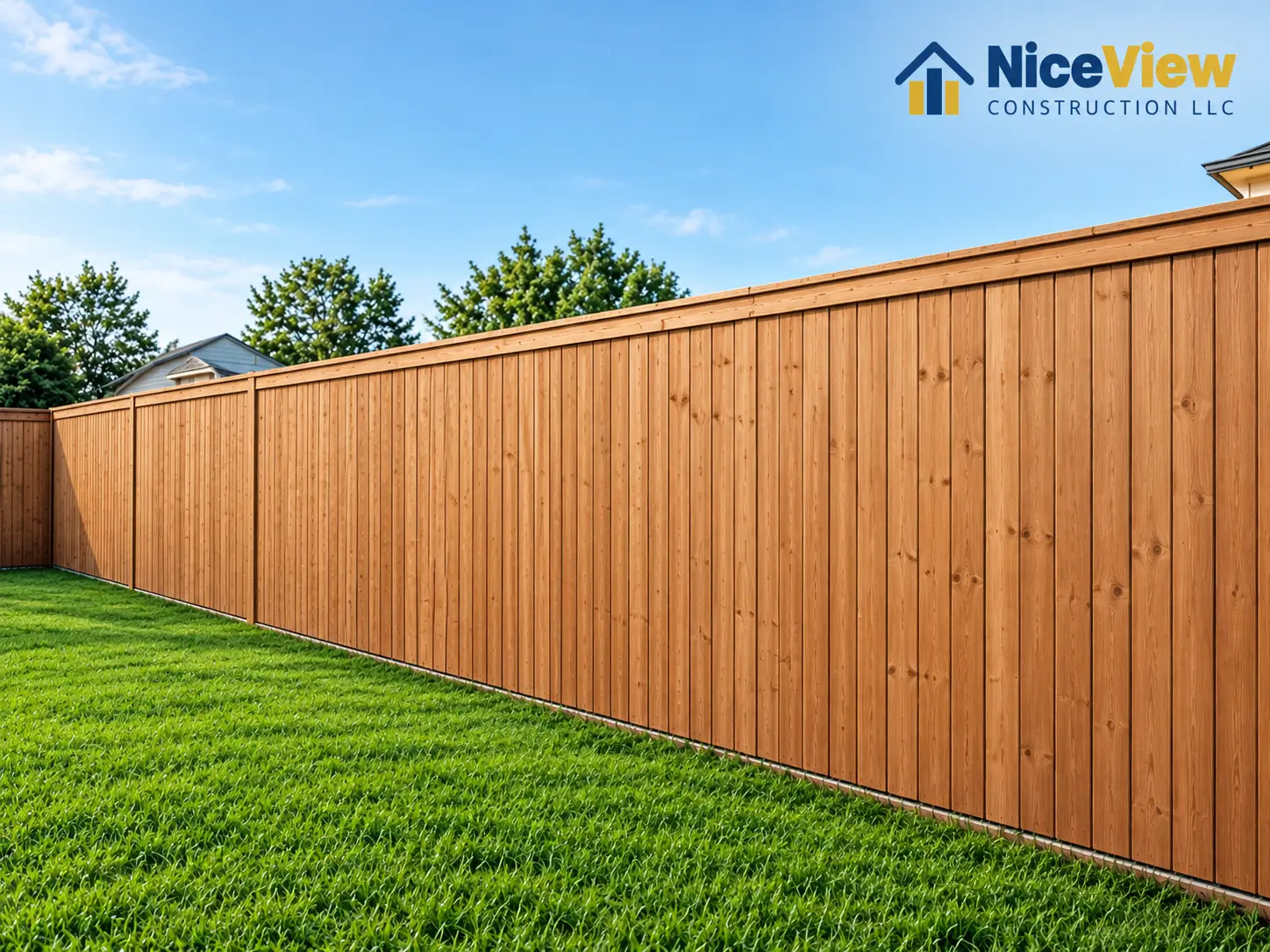
No, in most cases. If you own a one- or two-family home in New York City, you do not need a Department of Buildings permit for a fence that is 6 feet or less in height, and you may install it yourself. The exemption has limits, though: front-yard fences are capped at 4 feet by zoning, and taller fences or other building types fall outside it. The Department of Buildings explains the rule on its fences and backyard sheds page.
How tall can a fence be in NYC without a permit?
The permit exemption comes from the Rules of the City of New York, 1 RCNY §101-14. For one- and two-family dwellings, fences 6 feet or less in height do not need a DOB permit. Zoning still sets its own limits on top of that, and the Building Code sets an overall ceiling.
| Rule | Limit | Where it comes from |
|---|---|---|
| No DOB permit needed (one- and two-family homes) | 6 feet or less | 1 RCNY §101-14 |
| Residential front-yard fence | 4 feet maximum | NYC Zoning Resolution §23-44 |
| General maximum fence height | 10 feet | NYC Building Code |
How height is measured: the 6 feet is measured from the higher of the two adjoining grades. If your yard sits lower than your neighbour's, measure from their side, not yours. On sloped Bronx lots this is the most common reason a "6-foot" fence turns out to be too tall.
When do you need a permit or extra approval?
Fences taller than 6 feet
The exemption stops at 6 feet. Anything taller on a one- or two-family home needs a DOB permit before work starts, and it must still stay within the zoning limits for that part of the lot.
Buildings other than one- and two-family homes
The fence exemption is written for one- and two-family dwellings. For apartment buildings, mixed-use and commercial properties, check with the Department of Buildings before you build.
Landmarks and historic districts
If your house is a designated landmark or sits in a historic district, check with the Landmarks Preservation Commission before changing a fence, even a short one. Its approval is separate from the DOB permit rules.
Brick, block and masonry walls
A masonry wall is not the same as a wood, vinyl or chain-link fence. It needs proper footings, and if it also holds back soil it is a retaining wall. For block and retaining walls, have the specific design checked before relying on the fence exemption.
Fences around pools
Pool enclosures have their own safety requirements for height, gaps and self-closing gates. Confirm those rules before you build or replace a fence around a pool.
Does my fence need a permit? A 5-question check
Answer these in order. The first "yes" tells you what to do next.
| Question | If yes |
|---|---|
| 1. Is the property anything other than a one- or two-family home? | The exemption doesn't cover it. Check with DOB first. |
| 2. Is the house landmarked or in a historic district? | Check with the Landmarks Preservation Commission first. |
| 3. Will the fence be taller than 6 feet, measured from the higher grade? | You need a DOB permit. |
| 4. Is any part in the front yard and taller than 4 feet? | Lower it to 4 feet there; zoning applies without a permit. |
| 5. Is it a masonry wall, a retaining wall or a pool enclosure? | Have the design checked before you build. |
If every answer is "no", you can build without a DOB permit, as long as the fence stays within those limits.
What a permit exemption doesn't settle
"No permit needed" only answers the Department of Buildings question. It doesn't settle these:
- Where your property line is. If you're not sure, a licensed surveyor can mark it before posts go in. Moving a fence later costs more than checking first.
- Your co-op or condo rules. Boards can restrict fences on shared outdoor space even when the city doesn't.
- Your neighbour's view of it. A fence that follows the rules can still cause a dispute. Talking before you build is cheaper than arguing after.
- Complaints. An exempt fence isn't inspected beforehand, but the height and zoning rules still apply if someone complains.
What we check before installing a fence in the Bronx
At Nice View Construction (Bronx), we confirm a few things on site before quoting fence installation in the Bronx:
- Building type and landmark status, so we know which rules apply.
- Grade on both sides of the fence line, so the finished height stays within 6 feet from the higher side.
- Front-yard sections, which are kept to 4 feet.
- The property line and existing walls, so posts don't land on a neighbour's side or undermine an old wall.
We're contractors, not lawyers or surveyors. For a boundary dispute, speak with a licensed surveyor or an attorney. For an unusual property, the Department of Buildings or the Landmarks Preservation Commission has the final word.
Frequently asked questions
Do I need a permit for a 6-foot privacy fence in the Bronx?
Not if the house is a one- or two-family home and the fence is 6 feet or less, measured from the higher side of the ground. The Department of Buildings exempts those fences, and owners may install them themselves. Taller fences, or fences on other building types, are not covered by that exemption.
How tall can a front-yard fence be in NYC?
In residential zoning districts, the NYC Zoning Resolution limits front-yard fences to 4 feet (ZR §23-44). This limit applies even though no permit is needed, so a 6-foot privacy fence along the street side of the front yard would break the zoning rules.
Does the 6-foot rule apply to brick or block walls?
Treat masonry differently. A brick or concrete block wall is heavier, needs footings and may also hold back soil, which turns it into a retaining wall. Have a contractor check what the specific wall needs before you build, rather than relying on the fence exemption.
Who checks that my fence follows the rules?
No one inspects a permit-exempt fence before it goes up, but the rules still apply. The Department of Buildings can act on complaints, and a fence that breaks height or zoning limits may have to be changed. Building within the limits from the start avoids that risk.
Planning a new fence?
Send us your address and a few photos. We check height limits, the property line and landmark status before we quote.